
There is no debating it – farming has become very expensive. Input costs have lifted, interest rates have risen, and the cost of machinery continues to grow. Whilst some of the costs are unique to farming, agriculture is not alone in regards to this. Most industries and households are dealing with the same shift. The operating environment has changed and, realistically, it is unlikely to swing back any time soon.
Across our client base, one thing stands out. Some businesses are responding to rising costs by tightening management and lifting performance. Others are largely absorbing the increases and hoping improved seasons or stronger commodity prices will balance things out. Hoping can work occasionally (it has for many in 2025), but it is not a strategy that builds consistent long-term profitability.
It is completely understandable to feel frustrated with supplier price rises or market-driven cost increases. Many of these pressures are real and unavoidable. However, the most resilient and consistently profitable businesses tend to accept the environment they are operating in and focus their energy on what they can control.
The biggest areas where we see cost variation between otherwise similar farm businesses are fertiliser, chemical, freight, insurance, machinery repairs, capital investment in plant, and finance costs. These are also the areas that usually provide the biggest opportunity to influence profit.
The businesses that manage this well treat cost control as an ongoing discipline rather than something reviewed only when cash flow tightens. That means deliberately challenging spending decisions and asking some honest questions.
Are all expenses necessary?
Is pricing competitive?
Is there a more efficient way to achieve the same outcome?
Is this investment genuinely improving the business?
Some practical actions that consistently separate strong performers include:
- Review major input costs every year. Benchmark fertiliser, chemical and seed costs against similar businesses (think Planfarm Benchmarks). Small percentage differences on large cost items quickly add up.
- Test supplier competitiveness. Strong relationships are important, but they should sit alongside commercial discipline. Good suppliers respect clients who understand their numbers.
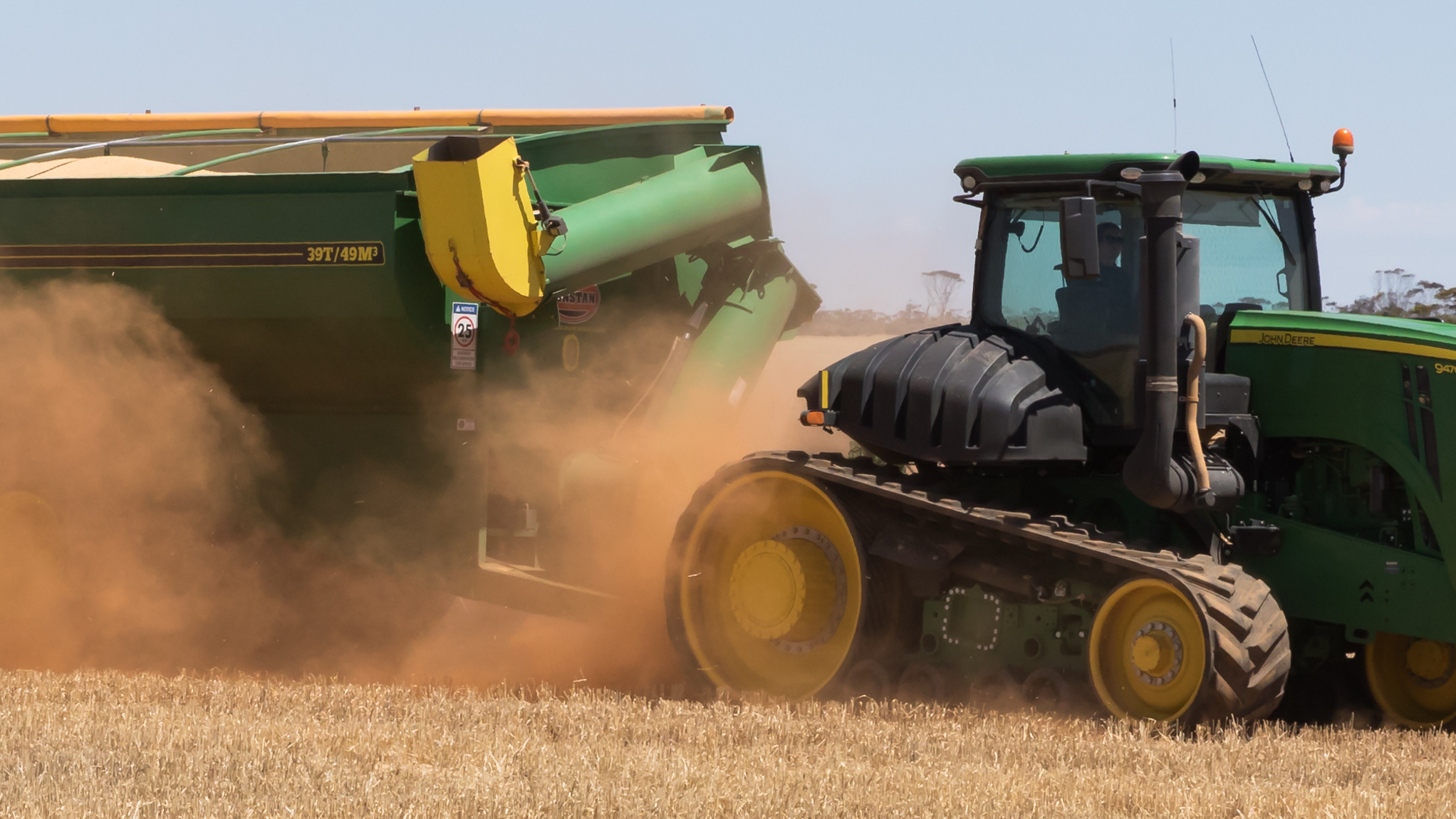
- Be deliberate with machinery decisions. Replacement timing, repair strategies and fleet size should be based on whole-of-life cost and labour efficiency, not simply habit or convenience or for that matter, changeover cost.
- Stay proactive with your bank. Regularly review loan structures, interest rates and working capital requirements. Finance costs can drift higher if left unchecked.
- Challenge how jobs are done. New technology, alternative products, or operational changes can often reduce cost or improve efficiency without sacrificing production.
Farming has always involved managing factors outside your control, including weather, markets and policy settings. What remains consistent is that long-term success is strongly linked to management discipline and ownership of business decisions.
Choosing to operate a farm business means choosing to manage it commercially. The environment may be tougher, but that makes strong cost control more important, not less. The businesses that lean into this reality are usually the ones best positioned to protect profitability and build resilience for the future.
