This article was first published in the September 2025 issue of TerraWise Insights. To get the latest updates and insights, subscribe today.
Over the past few months on the road, we’ve had dozens of conversations with farmers across WA. We thought we’d answer some of the most common questions we’ve been receiving.
Chances are, they’re the same ones you may be asking yourself.
“I planted those trees years ago, surely I should get something for them?”
Oh, if I had a dollar for every time I’ve been asked that question!
But under the ACCU (Australian Carbon Credit Unit) Scheme, the answer is no. Carbon credits are only issued for new and additional actions. Trees already planted don’t qualify because they weren’t registered as part of a project at the time.
Those trees aren’t wasted. Think of the reasons you planted them – they’re already providing on-farm benefits and may open doors to future markets that do recognise existing vegetation. They’re also a critical part of your farm story and can be captured in annual carbon accounts (emissions reporting) of your business.
While it may feel unfair, this is why it pays to explore potential carbon project options before you plant more. You can’t change the past, but you can make informed decisions for the future. You may find the numbers don’t stack up for a project — and that’s okay. At least you’ll be moving forward with confidence knowing you explored the options.
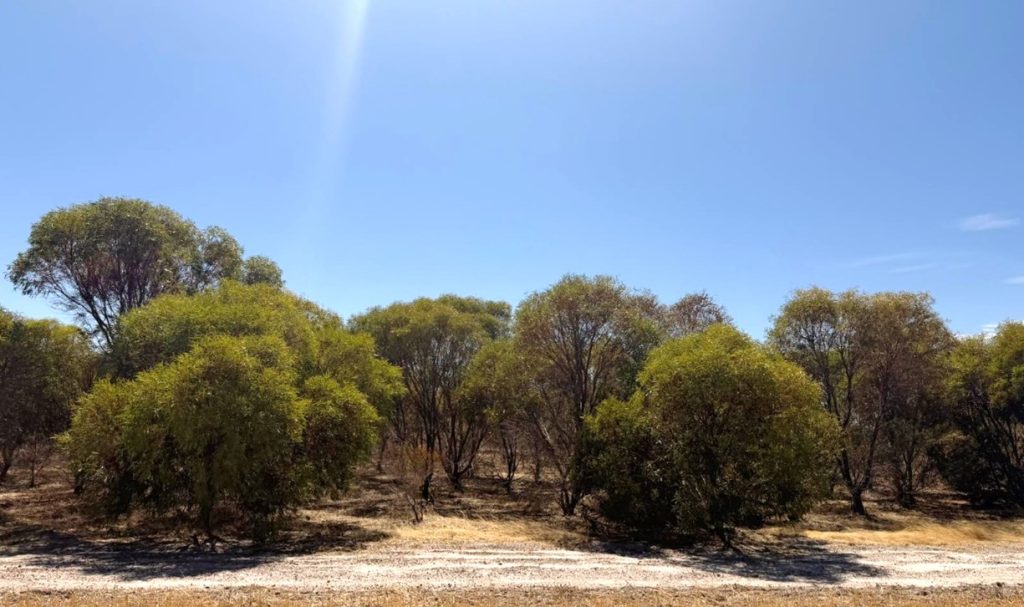
Photo from a client visit in March 2026, looking at their previous plantings
“Am I going to be penalised or taxed for my emissions?”
Let’s be clear: there’s no tax or fine on farmers’ emissions, and there’s nothing in the pipeline. The shift is less about penalties and more about transitioning the sector to report emissions, which links directly to market access.
Corporate buyers, processors, and banks already have emissions reporting obligations, even if they may not be disclosing that to you. But how many farmers are tracking their emissions? Very few. The first wave of change will be about reporting emissions, not reducing them.
Knowing your numbers isn’t about punishment; it’s about ensuring your farm can access markets and meet expectations as reporting requirements move down the chain. It can also open up opportunities. More lenders are now offering green finance products – loans or better terms tied to emissions or lower emission activities. Farmers who can demonstrate reliable numbers will be in a stronger position to take advantage of these opportunities. And often, the very process of tracking emissions highlights efficiency gains that save money.
“There are so many emissions calculators, how can I be confident in the one used?”
It’s a common frustration. Right now, there isn’t a single mandated calculator for Australian farms, and different tools use slightly different assumptions and methods.
When choosing a calculator, it’s important to consider the following:
- Transparency — Can you see the assumptions behind the numbers? Who has access to the data you input? Are you accessing a carbon account for free through another business – but at what cost to your data security?
- Flexibility — Does it work with your farm data and adapt over time?
- Audit readiness — Would a buyer or regulator accept it?
- Alignment with national methodologies — Ensures your numbers are consistent with international reporting standards.
We work with the AIA Environmental Accounting Platform (EAP), a tool Recently recognised by the Department of Agriculture, Fisheries and Forestry (DAFF).
Avoid “black box” calculators that only require high-level data, you won’t know what assumptions are being made behind the scenes to generate your numbers.
Even with the right tool, it’s not something you should be running yourself, especially not at the start. Entering the right data, making assumptions and interpreting the results requires nuanced knowledge. Done poorly, it can misrepresent your farm and create unnecessary confusion. This is where an independent advisor can help you avoid errors and make decisions that fit your farm business.
These calculators aren’t perfect, but the most important thing is to get started. With the right data, you can always recalculate as the tools improve.
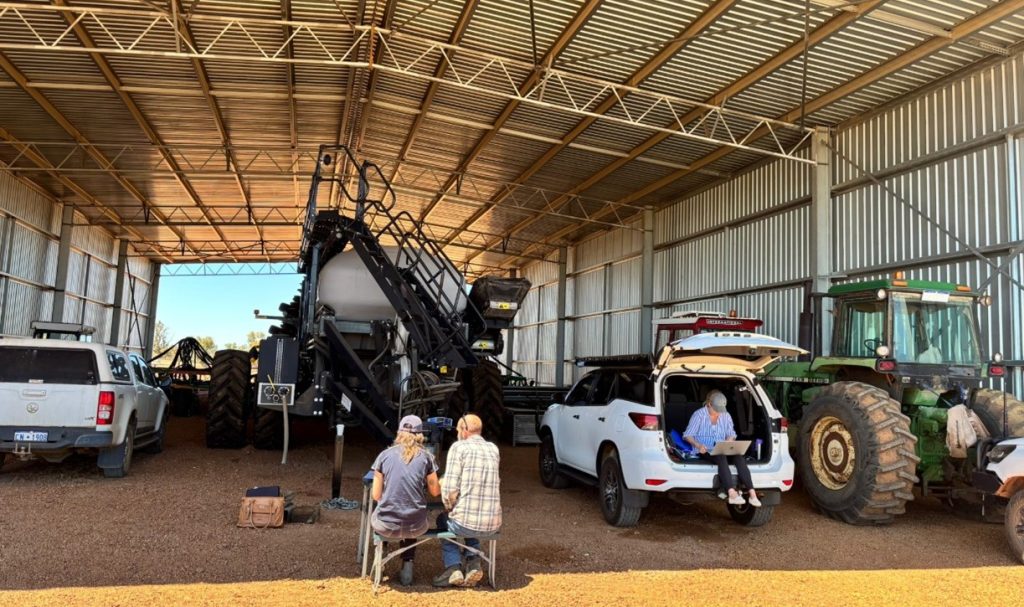
Photo from a client visit in February 2026 to discuss their carbon account
“This all feels years away, do I really need to worry now?”
The change is already here, not through penalties, but through market pull. Export and financial markets are moving the fastest. While reporting is still mostly voluntary for farmers, it is already mandatory for large businesses in the supply chain and is quickly becoming an expectation.
That doesn’t mean every farm needs a carbon project. But every farm benefits from knowing its baseline and having the systems in place to tell its story when questions come. It’s simply good business practice, giving you confidence and options as reporting and market requirements continue to evolve.
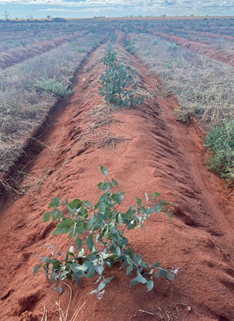
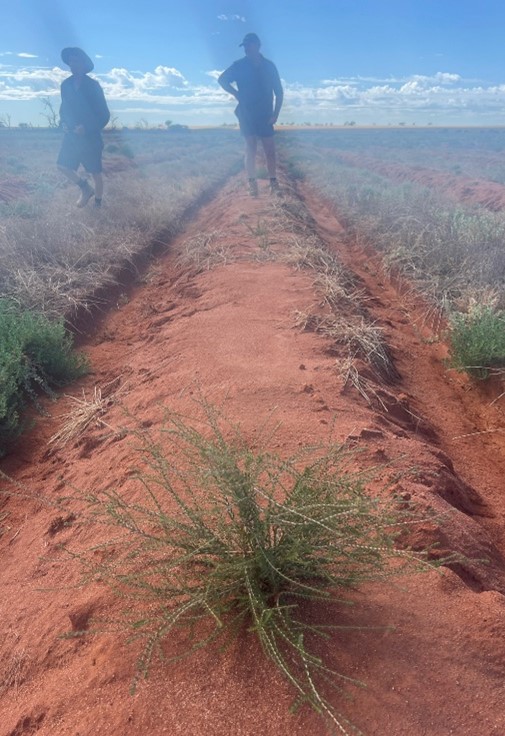
Photos from a March 2026 client visit to check the progress of their carbon project plantings
The bottom line?
Don’t get stuck on what you can’t claim or the fear of penalties. Focus on understanding your numbers, telling your story, and positioning your farm to meet the expectations of markets and buyers – and to capture the ever-emerging opportunities.