As I write, Cyclone Narelle is heading down the coast, with forecast rainfall of 30 to 130mm.
At the same time, the war in Iran is limiting nitrogen supplies, with some growers unlikely to receive all the N fertiliser they have ordered. Urea prices for late N application may be around $1500/t (if you can get it).
Understandably, this is causing significant concern in the farming community, given the high levels of uncertainty.
Many of these factors are out of our control, but as mindset experts advise, we need to focus on what we can control.
One of those controllables is summer weed control.
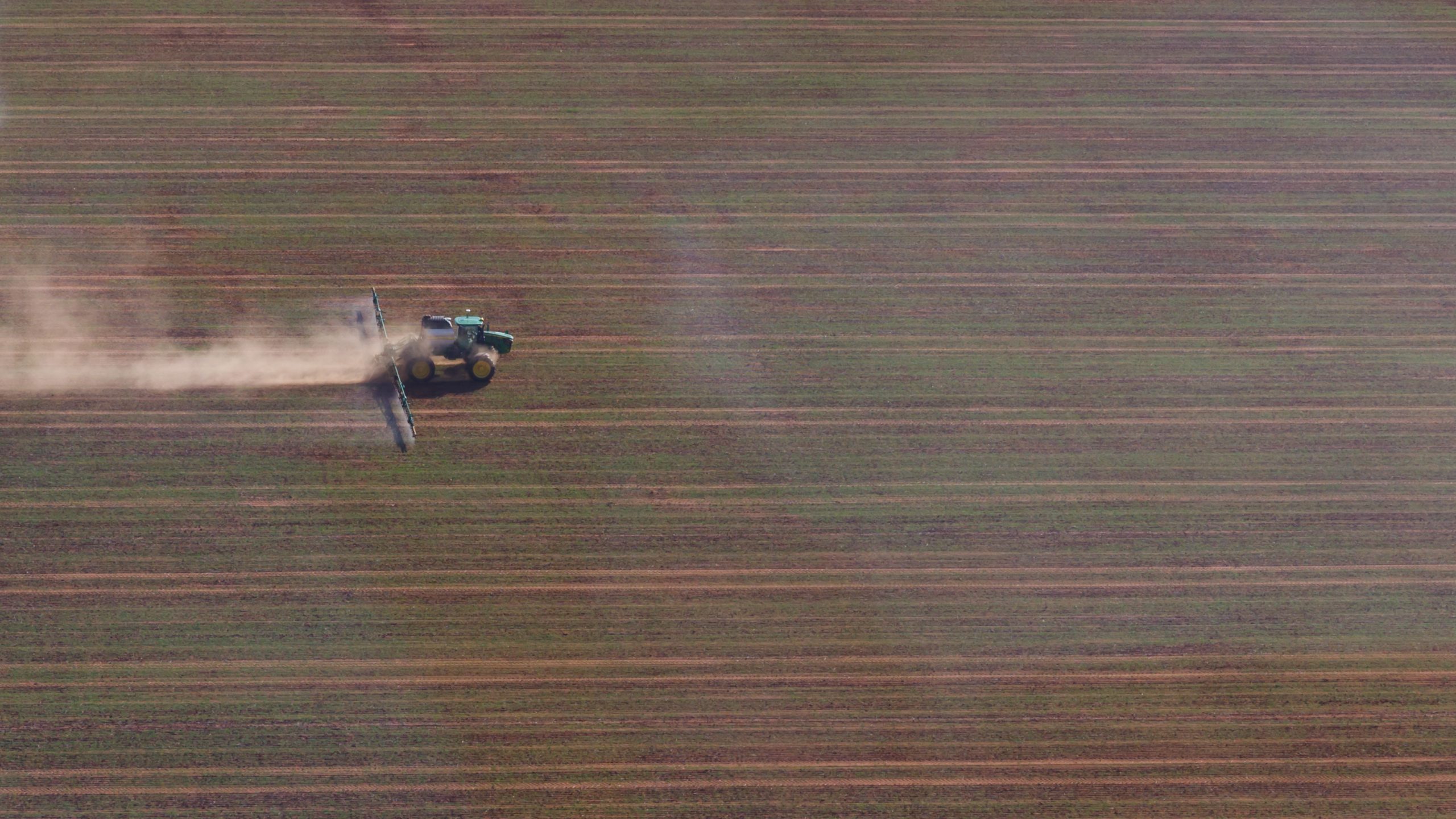
If there’s one clear message, it’s this: spray summer weeds at the first opportunity.
Given this is forecast to be early April rainfall, you may be tempted to try and get away with one knockdown in early May before sowing a cereal crop. My strong advice is don’t do this. Kill the weeds from this rain at the first opportunity (starting about 10 days after the rain) and then spray again with your pre-emergent herbicides just prior to planting.
The research
Research by Colin McMaster (NSW DPI, supported by GRDC) shows that for every millimetre of soil moisture used by summer weeds, around 0.67 kg of nitrogen per hectare is lost.
In practical terms, if weeds use 50mm of stored moisture over summer, that’s 33kg N/ha gone. At 2026 fertiliser prices, that’s a significant cost.
The researchers compared no summer weed spraying with delaying spraying by 2 weeks, with total control (i.e., always spraying at the first opportunity).
It will come as no surprise that no summer weed control led to very poor crops in the season that followed. The big surprise was how much yield was lost by simply delaying spraying by two weeks.
Some of the trials received large amounts of summer rainfall, followed by a very wet growing season. Naturally, the researchers expected little response to their summer spraying, as the crop received ample winter rain.
However, they were wrong and saw a huge visual response – all due to nitrogen.
Researchers then tried to catch up by applying over 200kg/ha of urea, but they still couldn’t match the yield of plots where summer weeds were controlled.
Nitrogen loss starts with the first flush.
The biggest mistake growers make is waiting too long after a rainfall event.
The first flush of summer weeds does the most damage. Small weeds might not look like a threat, but they are highly efficient at extracting both moisture and nitrogen. Delaying control by even a couple of weeks allows weeds to establish, rapidly increasing the amount of water and nitrogen they remove.
Colin McMaster’s research found that effective summer weed control increased available soil nitrogen by 32 to 69 kg N/ha compared with no control.
These trials showed that paddocks with effective summer weed control stored an additional 22 to 86 mm of plant-available water. That moisture supports better crop establishment, grain set, and grain fill.
Buying a spring.
In terms of moisture, Colin coined the phrase “buying a spring”. What he means is that the moisture saved by controlling summer weeds is deep in the profile, and the crop will access it in spring when the roots reach it.
But the real benefit comes from the interaction between water and nitrogen. More moisture improves mineralisation and nutrient uptake, while higher nitrogen availability allows crops to fully utilise stored water.
The economics stack up.
In a high nitrogen price environment, the return on summer weed control becomes even stronger.
The return on investment in this research ranged from $4 to $6.30 for every dollar spent on weed control. With fertiliser prices higher in 2026, this return on investment will be much higher.
Delta T
There has been a focus over the years of spraying at a Delta T below about 12 to ensure that summer weeds are controlled.
I suggest we mostly ignore Delta T if the weeds are not stressed or actively growing. This is a bit of a big call, and you may find yourself spraying in warmer temperatures than you normally would, but I have worked with a number of growers over the years who have taken this approach, and it has paid off. This helps you get the job done quickly rather than limiting your spraying window to a few hours a day.
If you start to see some stress in the weeds, then yes, pay more attention to Delta T. But two weeks after the rain, when they are growing like children, spray all day.
Summary
It’s a pretty simple message. If this cyclone rain comes off, start spraying at the first opportunity and don’t stop.