
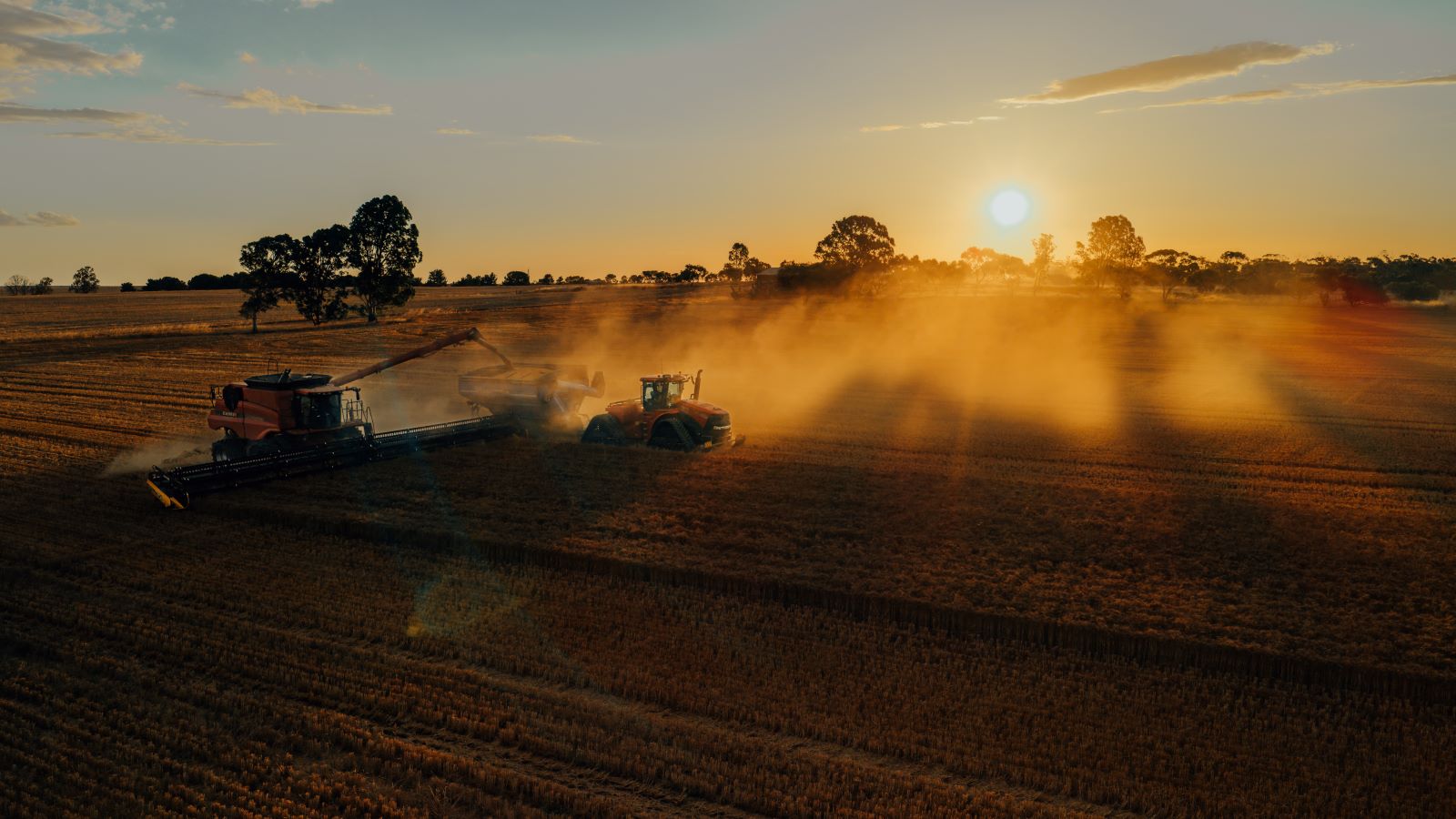
Western Australia’s 2026/27 harvest is gathering momentum, and with Protmore grain moving through the CBH network, a clearer picture is beginning to emerge around quality. While it remains relatively early, particularly for wheat in some southern areas, current receivals are providing useful indications of protein distribution, screenings pressure and the balance between premium and lower-value grades.
As of 16 November, CBH had received approximately 7.71 mmt across all commodities. Importantly, given harvest is not equally advanced across the state, the current quality profile needs to be interpreted with some caution.
Wheat quality is broadly encouraging
Wheat quality has been reasonably encouraging so far, with a solid proportion of the crop making the higher protein grades and relatively limited evidence of widespread screenings issues.
Approximately 46% of wheat delivered to date has made APW1/APWN or Hard. ASW9 accounts for around 26%, with AWW1 at 12% and AWW2 representing only around 3% of total receivals.
There are, however, some notable differences between zones. Esperance is showing the strongest protein profile, with a large proportion of wheat making APW1/Hard grades, while Geraldton has also produced a reasonable proportion of APW1 but with more wheat falling into ASW9. Kwinana’s profile is softer, with a greater proportion of lower protein. Albany’s wheat sample remains too small to draw any firm conclusions.
Noodle quality is another interesting comparison. In Geraldton, around 75% of the relevant noodle wheat sample is ANW1, compared with approximately 44% in Kwinana. The Kwinana sample remains relatively small, however, so this could change considerably as harvest progresses.
The protein story is particularly important this season. How the protein balance develops as harvest moves south will have an important bearing on grade spreads later in the season.
Plenty of Malt Barley
Barley quality has been encouraging, with a relatively high proportion of the crop making malt specification. Around 30% of barley delivered so far has made malt, above the 25% we would normally expect in most years. As a result, we’ve already seen malt spreads contract from $8/mt+ earlier in the year to $1/mt at best.
Spotted Mould on Oats
Oat quality has been more mixed. Milling oats currently account for the majority of statewide receivals, although spotted mould has been an issue in some deliveries so far. In response, CBH M&T have agreed to upgrade OAT2 loads to OAT1 where hectolitre weight and screenings meet OAT1 specifications, despite the spotted mould issue. This should help preserve value for growers where the underlying grain quality is otherwise good.
What does it mean for the market?
For barley, premiums for malt are already non-existent. With malt deliveries currently running above normal, traditional buyers of WA malt barley should have plenty of quality grain to choose from. Unless the quality profile changes materially through the remainder of harvest, growers should not expect a significant increase in premiums over feed barley.
For wheat, quality rather than simply tonnes could become increasingly important in determining value this harvest.
On the east coast, harvest has been stop-start following wet weather, particularly through QLD and northern NSW. Continued rainfall could delay harvest and increase the risk of grain quality downgrades; if those issues become widespread, the availability of Australian milling-quality wheat could tighten relative to feed and lower grades.
At the same time, Australia faces greater competition from Argentina, which has another large exportable wheat crop and is increasingly capable of competing into Southeast Asian markets. The important distinction is quality. Large Argentine crops have produced significant volumes of lower-protein wheat, potentially creating greater competition for WA’s lower-protein grades in some of Australia’s traditional Southeast Asian markets.
Conversely, that could be supportive for higher-protein WA wheat. If Argentina adds significant lower-protein supply to the world market while wet weather threatens quality on Australia’s east coast, the relative availability of better milling wheat becomes more important. That could support stronger premiums and wider grade spreads for APW1 and Hard wheat, even if abundant global wheat supplies continue to restrict outright prices.
The next few weeks will therefore be important in determining not only the final quality profile of the WA crop, but also where the best marketing opportunities sit. The key signals will be the volume of higher-protein wheat produced in WA, whether wet weather results in further quality downgrades on the east coast, and how aggressively lower-protein Argentine wheat competes into Southeast Asia.
We are already starting to see some Fixed Grade opportunities emerge for higher-quality wheat, highlighting the value of maintaining flexibility around how these tonnes are marketed. For us, as Grain Marketing Advisors, the key will be how the spreads between wheat grades develop from here. The movement in premiums for higher-quality wheat will dictate how we fill outstanding Multi Grade contracts to maximise value for our clients, what grain we sell as Fixed Grade, and which grades are worth holding for sale at a later date. Get in touch with a grain marketing advisor to maximise the return on your grain this harvest.
